Fort São João Baptista das Berlengas History, Architecture, Visiting Guide
The Fort São João Baptista das Berlengas, perched on a rocky outcrop off Berlenga Grande Island, is one of Portugal’s most dramatic coastal fortifications. Built in the heart of the Portuguese Restoration War, its rich past spans centuries of military strategy, pirate battles, imperial defence, decline, restoration, and adaptation for modern visitors.
This guide covers everything you need to know: how the fort was built, why it was so important, its role in key battles, what’s inside today, visiting details, and yes — how you can even stay overnight inside the fort.
Where Is Fort São João Baptista and Why Was It Built?
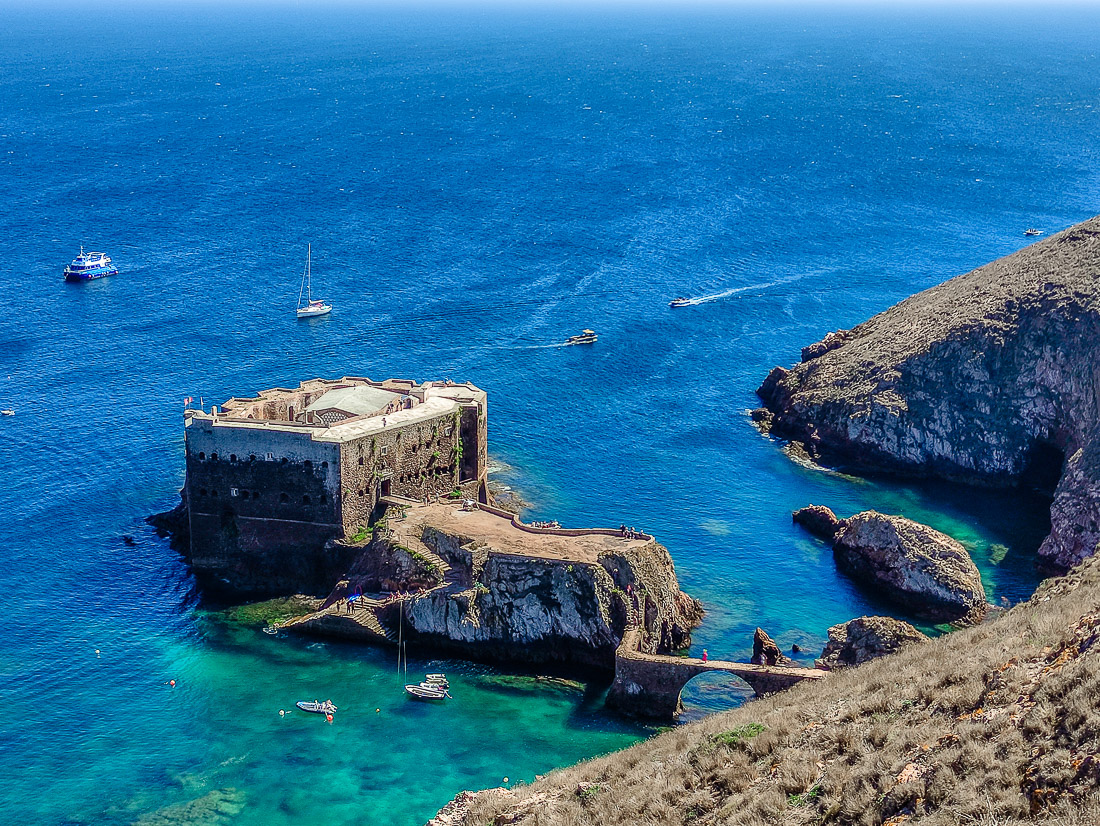
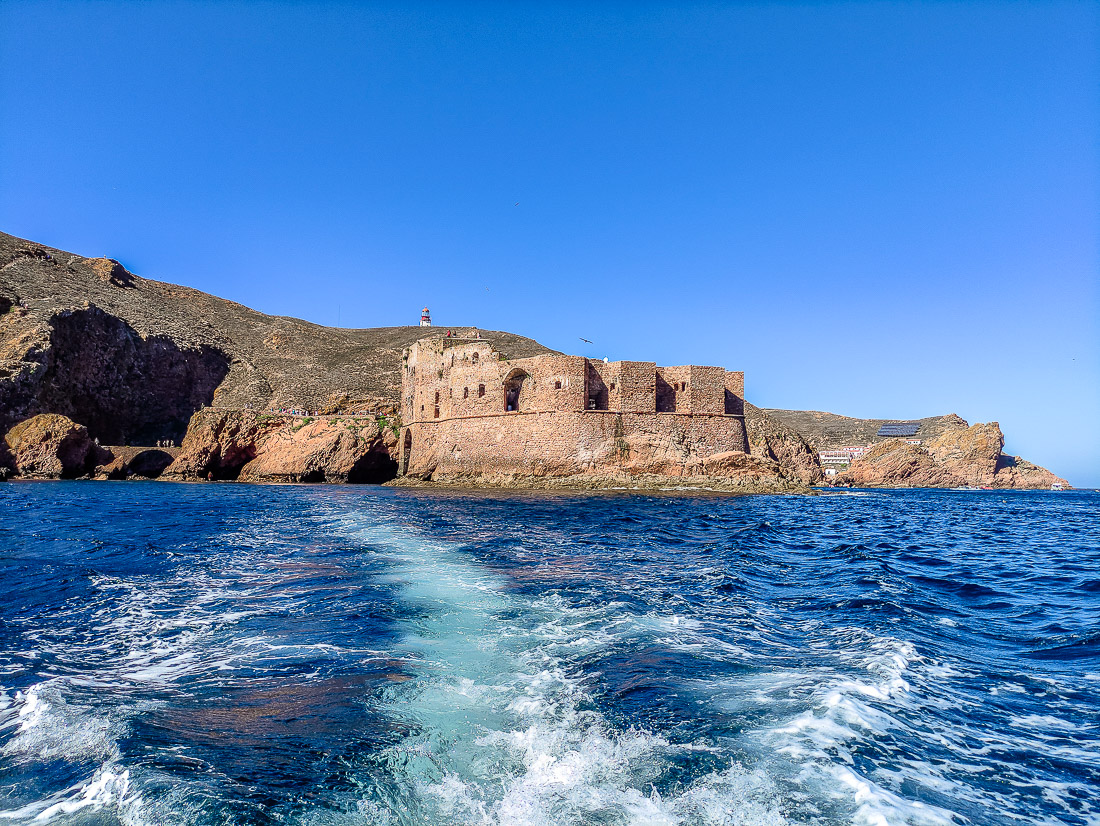
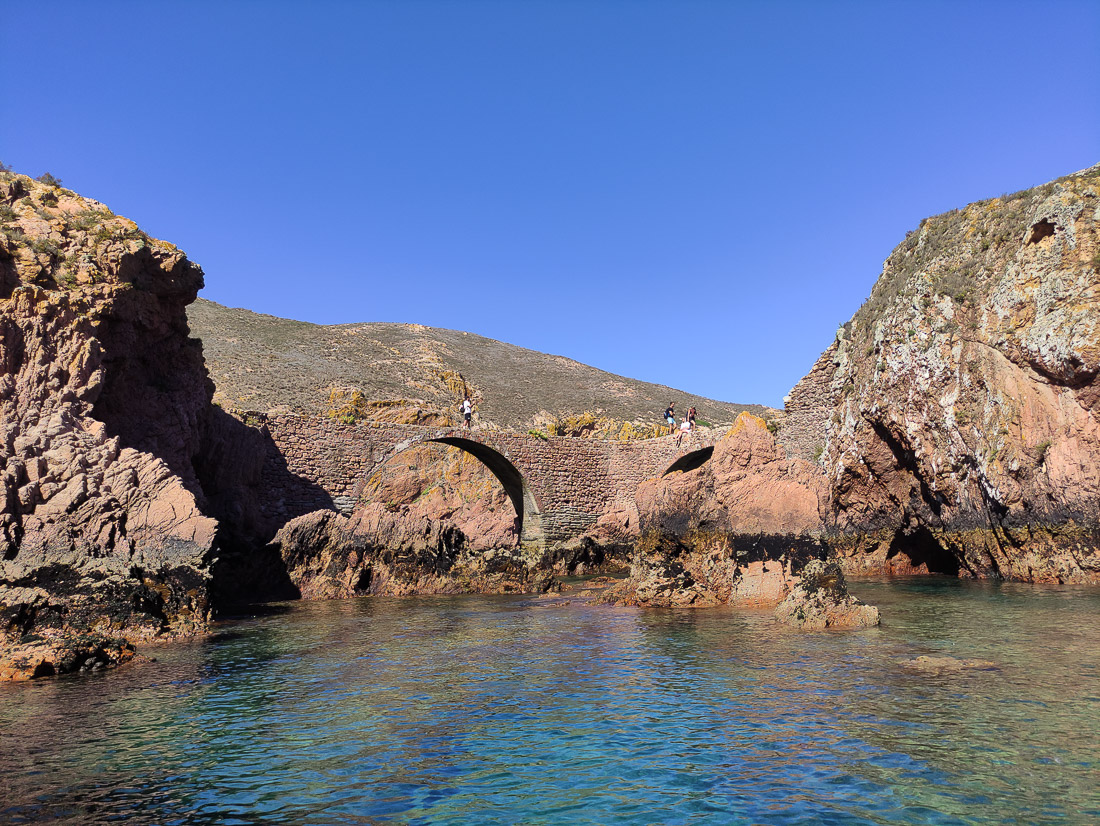
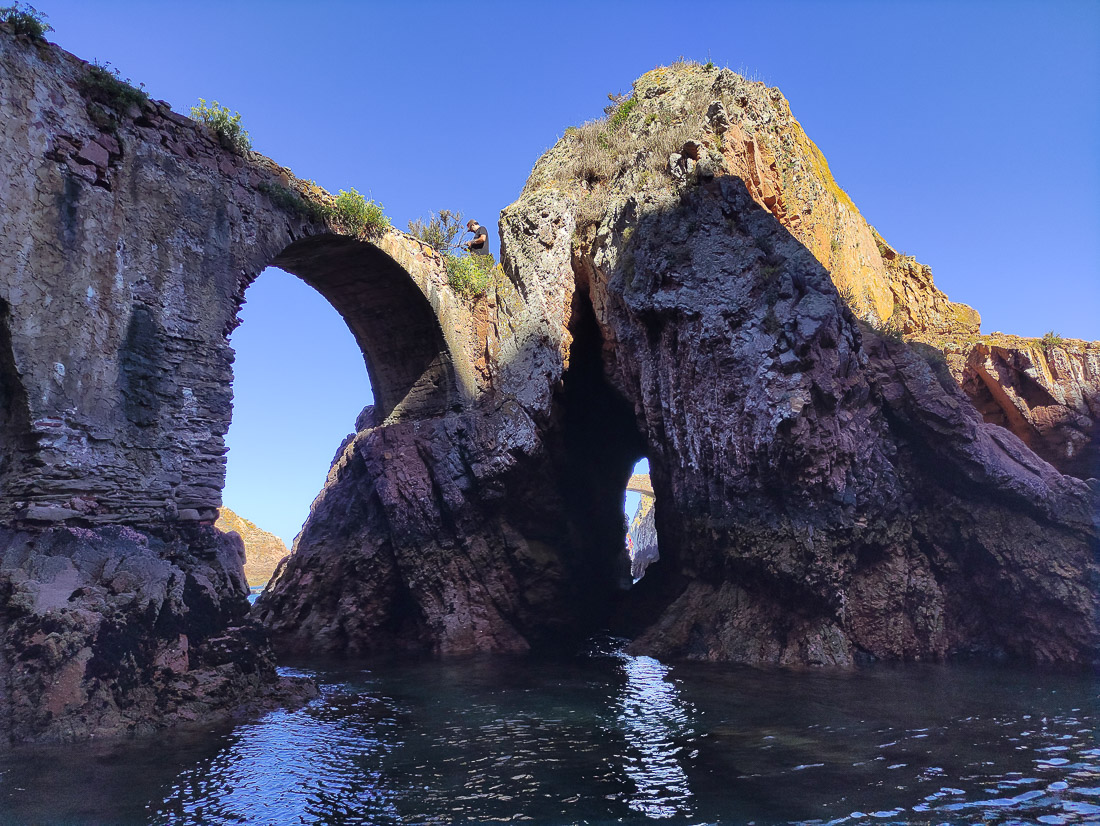
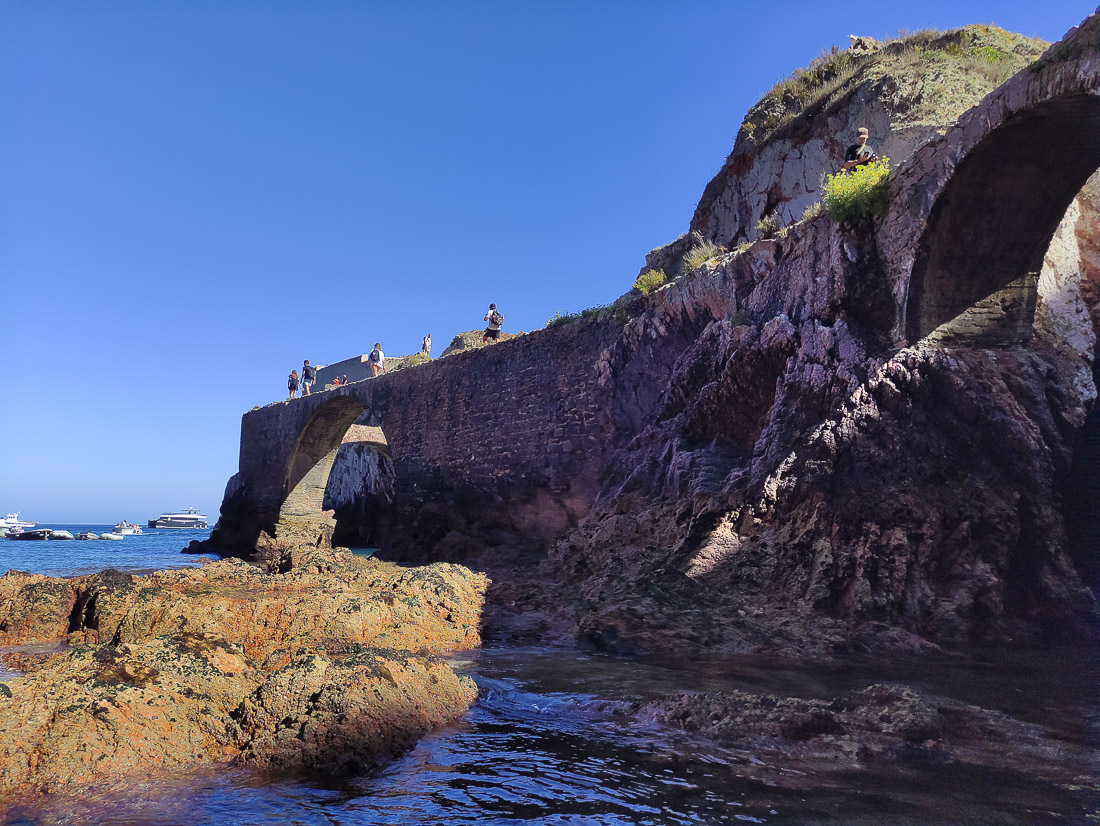
The fort is located on a small islet off the southeast coast of Berlenga Grande, connected to the main island by an arched causeway.
Its strategic position made it vital for defending the central Portuguese coast, particularly the town of Peniche and the surrounding fisheries, from pirate raids and naval incursions by enemy powers.
From Monastery to Fortress
The site initially hosted a 16th‑century monastery founded by monks to assist shipwrecked sailors, but repeated pirate attacks and isolation forced the monks to abandon it. Stones from these ruins were later reused to build the fort.
Construction and the Portuguese Restoration War
Although an early defensive structure may have existed since 1502, the fort in its current form dates from 1651, when King João IV of Portugal ordered its construction during the Portuguese Restoration War (1640–1668).
The design was laid out by a military engineer after an inspection by João Rodrigues de Sá, focusing on defending against pirate fleets and Spanish forces.
Work continued through the mid‑17th century, and the fort was essentially complete by 1656, with final expansions concluded in later decades.
Most Famous Battle — 1666 Siege
One of the most dramatic chapters in the fort’s history occurred in June 1666 during the Battle of the Berlengas, a clash of the Portuguese Restoration War.
A Spanish fleet of 15 warships, commanded by Diego Ibarra, attacked the fort, which was defended by a small Portuguese garrison of around 28 men under Corporal António Avelar Pessoa.
Despite overwhelming odds and fierce bombardment, the fort’s defenders repelled the attack for two days and inflicted significant damage before eventual capture.
This heroic defense is one of the most celebrated episodes in Portuguese coastal defense history.

Later Military Use and Decline
After the Restoration War, the fort continued to be important:
- Peninsular War (early 1800s): Used by British troops against Napoleon’s forces before being plundered by the French.
- 1821 Remodel: King João VI ordered reconstruction, including rebuilding the fort’s chapel destroyed by French forces.
- Liberal Wars: The fort served as a base for troops loyal to Dom Pedro in operations against Miguelist forces.
By the mid‑19th century the fort’s armaments were removed and it gradually declined in military importance.
20th Century Restoration and New Purpose
In 1953, the fort underwent repairs and was partially converted into an inn (pousada) in an early attempt to adapt the historical structure for tourism.
From the 1980s, Portugal’s Directorate‑General of Buildings and National Monuments led restoration work to consolidate the fort and secure it for public access.
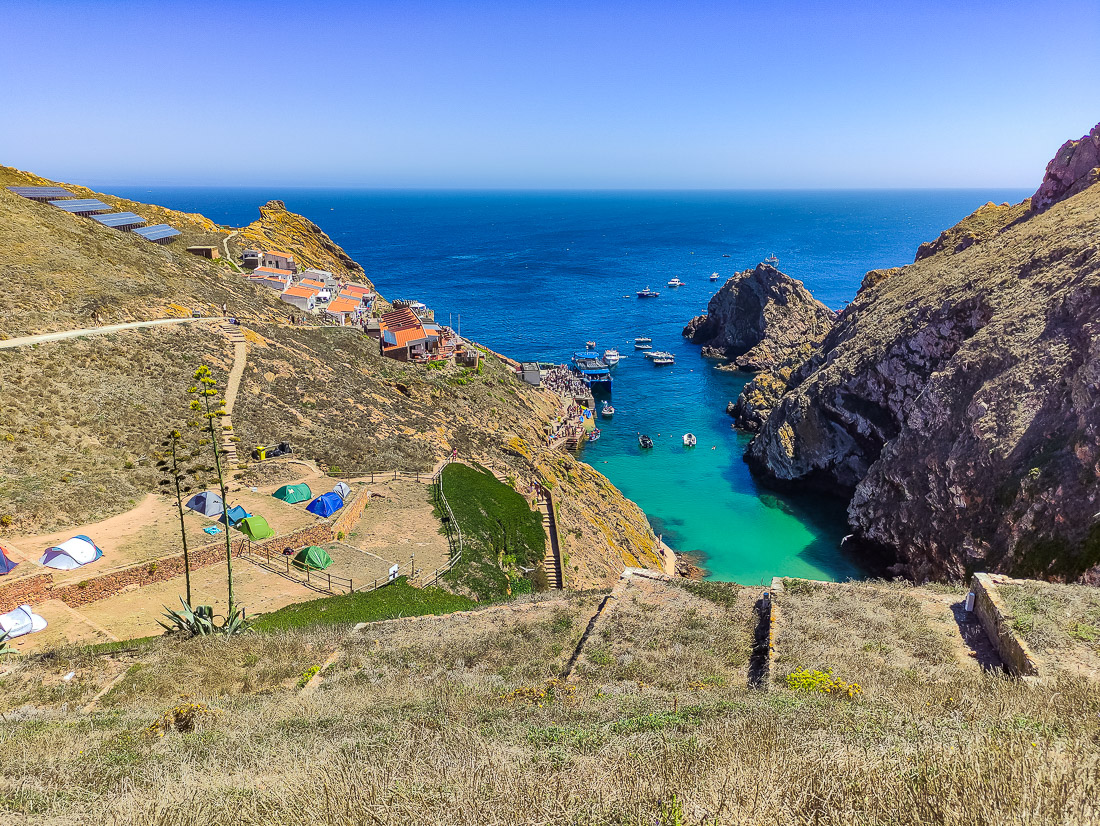
Today the fort is open to visitors, especially in summer, with guided tours organized by Casa Abrigo.
Architecture and Layout — What’s Inside the Fort
The fort’s military architecture reflects 17th‑century defensive design adapted to its rugged island setting:
- Irregular octagonal shape with higher walls facing the sea.
- Terraced paved areas and narrow walkways circling the structure.
- Casemates and embrasures where cannon once stood guard.
Central buildings that once housed the commander’s rooms, troop barracks, storage, kitchens, and armory.
Visitors can explore the exterior walls, terraces, battlements, and remnants of internal corridors — all offering spectacular views of the Atlantic and surrounding islands.
Visiting the Fort — Practical Guide
Entrance and Tours
The fort is open to visitors, especially in summer months when maritime conditions allow. Entry fees help support ongoing maintenance.
Guided tours are available through local services like Casa Abrigo.
What You’ll See
Inside and around the fort you can experience:
- Historic defensive walls and battlements
- Internal chambers and walkways
- Elevated terraces with panoramic ocean views
- Interpretive information about battles and the fort’s evolution
Can You Stay Overnight in the Fort?
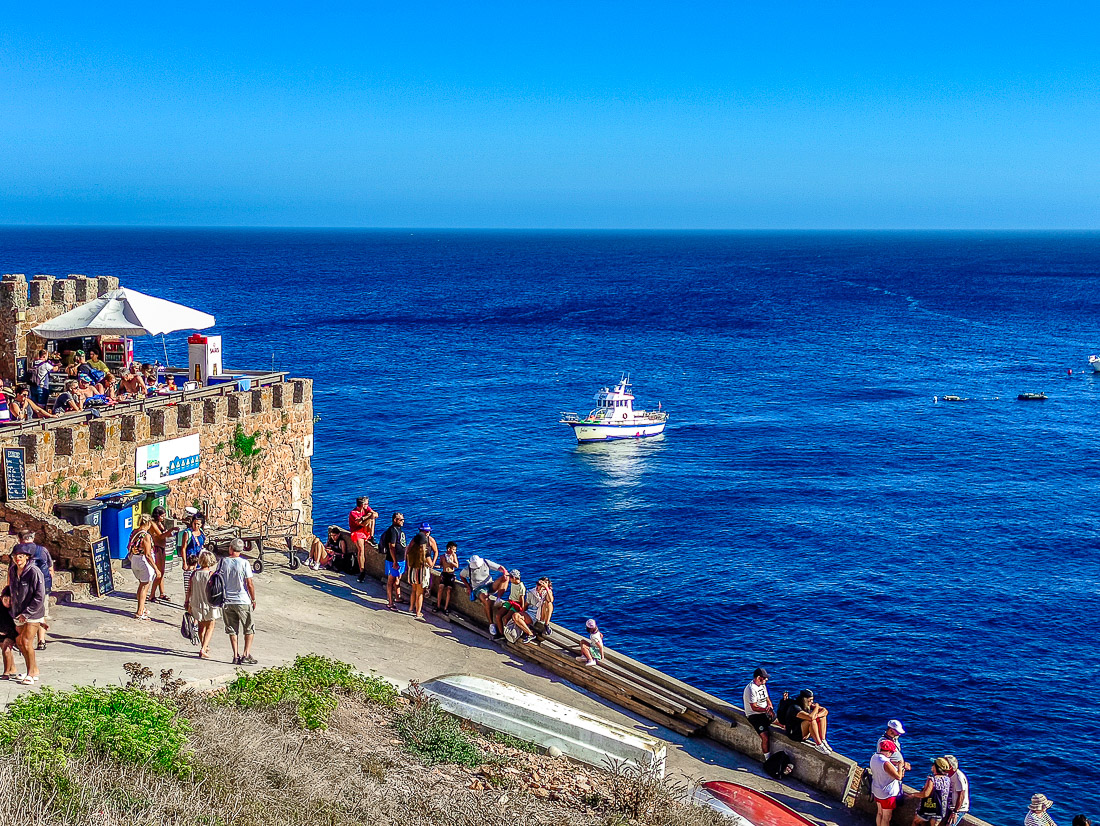
Yes — one of the most unique features of Fort São João Baptista today is that it functions in part as an accommodation space. Since its mid‑20th‑century renovations, parts of the fort have been adapted for overnight stays.
Today it operates like a hostel/guesthouse with:
- Around 50 beds in shared and private rooms
- Shared kitchen and bathroom facilities
- A restaurant or snack area for guests
- Stunning views of the Atlantic from within the fortress walls
Reservations are usually required in advance and managed locally, often through the Associação Amigos das Berlengas (Facebook link) or partner booking contacts.
Why Fort São João Baptista Is a Must‑Visit
The fort combines:
- Military history with compelling stories of defense and survival.
- Unique architecture shaped by strategic needs and rugged geography.
- Spectacular views and immersive experience of island life.
- The rare opportunity to sleep inside a historic fortress overlooking the ocean.
Whether you love history, military architecture, coastal panoramas, or unique stays, Fort São João Baptista makes for one of the most memorable parts of any trip to the Berlengas Islands.