Berlengas Lighthouse History, Purpose, and Visiting Information
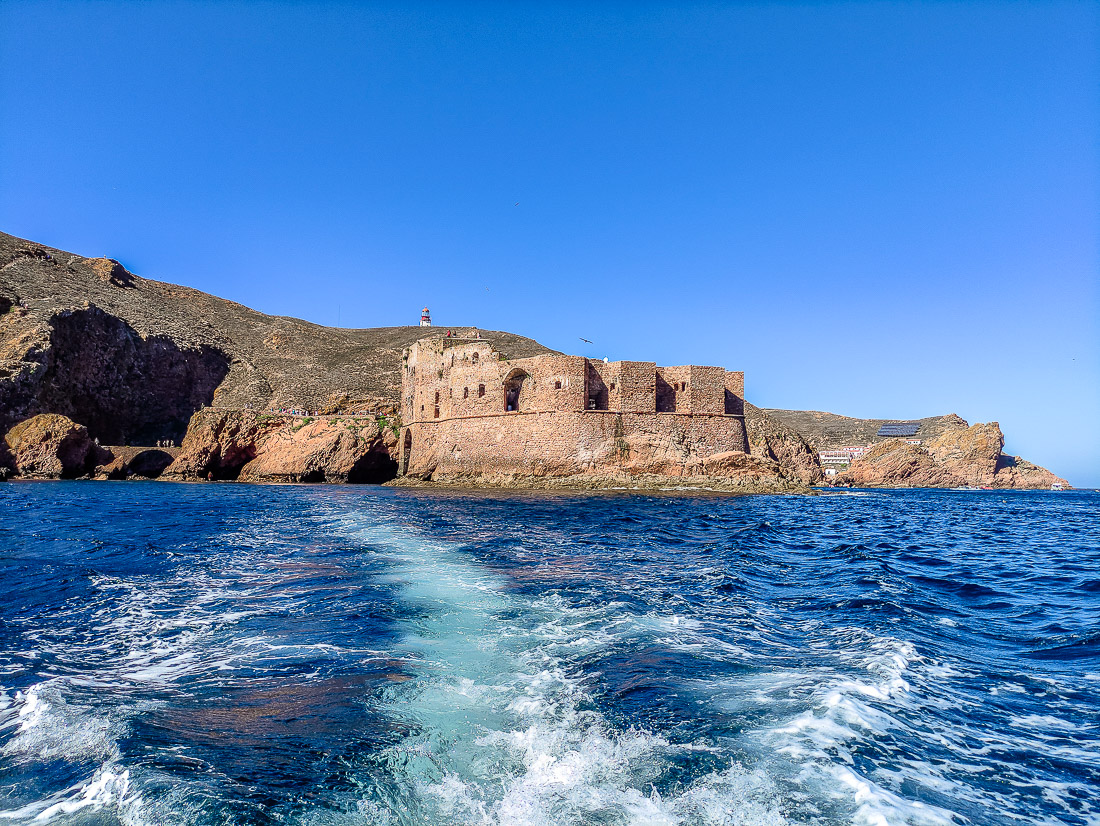
The Berlengas Lighthouse, officially known as the Lighthouse of the Duke of Bragança (Farol do Duque de Bragança), is one of the most important historical landmarks on Berlenga Grande, the main island of the Berlengas archipelago. Built in the 19th century, it reflects Portugal’s long maritime tradition and the constant struggle to make Atlantic navigation safer along this hazardous coastline.
Today, the lighthouse remains active and is a key point of interest for visitors exploring the history and geography of the Berlengas Islands.
Where Is the Berlengas Lighthouse Located?
The Berlengas Lighthouse is located on Berlenga Grande, the largest island of the archipelago, approximately 10–17 km west of Peniche, on Portugal’s central Atlantic coast.
It stands on one of the highest and most exposed points of the island, overlooking steep cliffs and open ocean. This elevated position was deliberately chosen to maximize visibility for ships navigating the dangerous waters surrounding the islands.

When Was the Berlengas Lighthouse Built?
The lighthouse was inaugurated in 1841, during a period when Portugal was modernizing its coastal navigation infrastructure.
The 19th century saw a significant increase in maritime traffic along the Portuguese coast, especially routes connecting Lisbon with northern Europe. The waters around the Berlengas were notorious for:
- Strong Atlantic currents
- Sudden fog
- Hidden reefs and rocky shoals
The construction of a lighthouse on Berlenga Grande became essential to reduce shipwrecks and guide vessels safely past the archipelago.
Why Was the Lighthouse Built?
The main purpose of the Berlengas Lighthouse was to improve maritime safety in one of Portugal’s most dangerous coastal zones.
For centuries, ships passing close to the Berlengas risked running aground on submerged rocks, particularly in poor visibility. The lighthouse provided:
- A clear visual reference point at night
- Guidance during fog and rough sea conditions
- A reliable signal for ships approaching Peniche and the central coast
Its operation significantly reduced the number of maritime accidents in the area.


Who Was the Duke of Bragança?
The lighthouse takes its official name from the House of Bragança, Portugal’s royal dynasty from the 17th to the 20th century.
Naming lighthouses after royal figures was common at the time and symbolized state involvement in maritime safety and coastal defense. The Duke of Bragança title later became associated with Portuguese kings, reinforcing the lighthouse’s national importance.
Architecture and Technical Features
The Berlengas Lighthouse is a stone-built structure, designed to withstand extreme Atlantic weather conditions.
Key characteristics include:
- Solid masonry adapted to strong winds and salt exposure
- A functional, austere design typical of 19th-century Portuguese lighthouses
- Strategic integration into the island’s rocky landscape
Over the years, the lighthouse has undergone technical upgrades, but its external appearance has remained largely faithful to the original structure.
Is the Berlengas Lighthouse Still Active?
Yes. The Berlengas Lighthouse is still operational today and forms part of Portugal’s national lighthouse network.
It continues to serve as a navigational aid, although modern ships now rely on GPS and electronic systems alongside traditional visual signals.
Can You Visit the Berlengas Lighthouse?
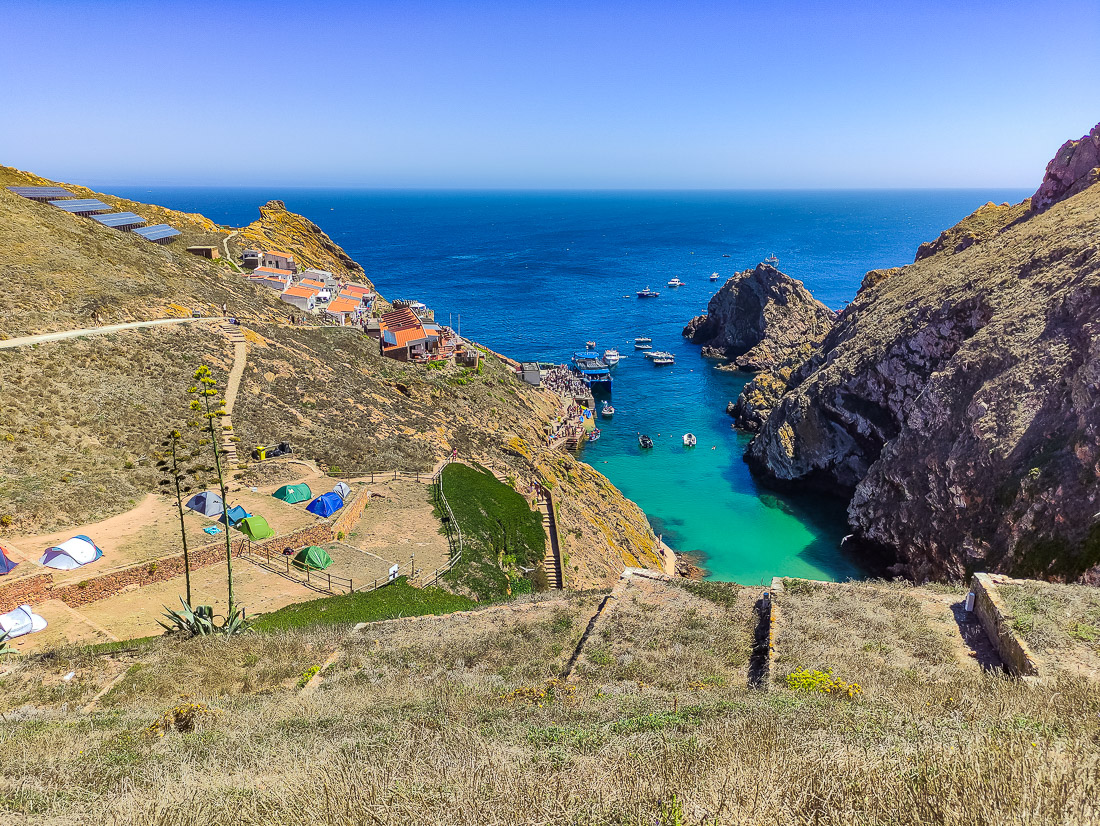
Visitors to Berlenga Grande can reach the area around the lighthouse on foot, using marked trails that cross the island.
Important to know:
- The interior is not open to the public
- Access is limited to the external area only
- The walk offers panoramic views over the Atlantic and the island’s cliffs
The lighthouse area is one of the best viewpoints on Berlenga Grande, especially on clear days.
The Lighthouse and the Berlengas Today
The Berlengas archipelago has been classified as a UNESCO Biosphere Reserve since 2011, and the lighthouse stands within this protected environment.
Today, it represents:
- Portugal’s maritime heritage
- The historical importance of Atlantic navigation
- A symbol of human adaptation to a harsh natural landscape
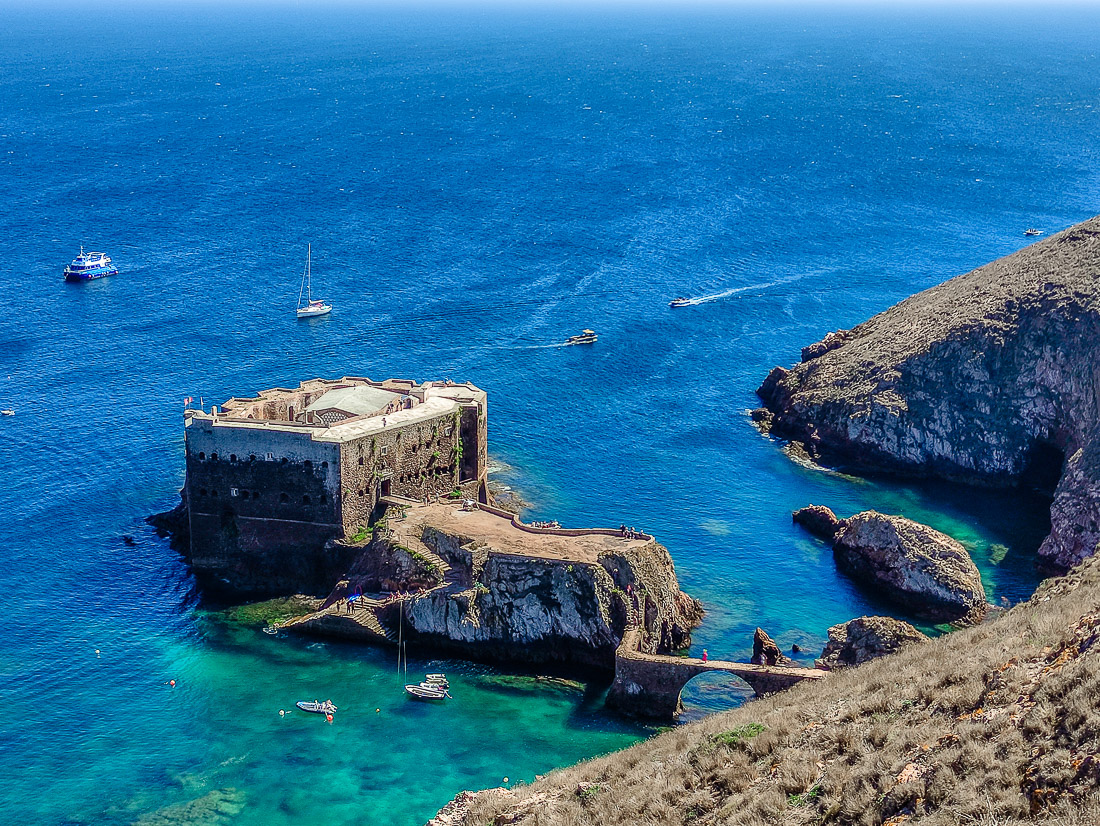
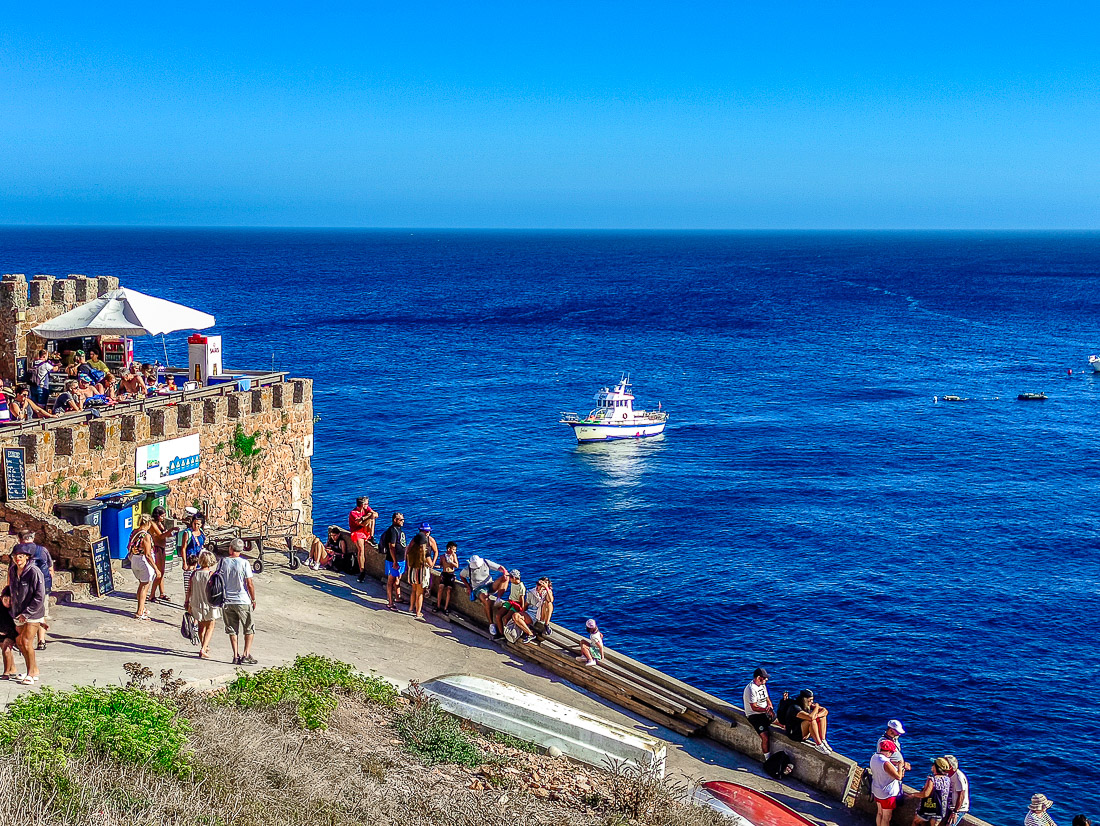
Together with Fort São João Baptista, the lighthouse helps tell the story of how the Berlengas evolved from a dangerous maritime obstacle into a protected natural and cultural landmark.
Why the Berlengas Lighthouse Matters
The Berlengas Lighthouse is more than a navigational structure. It is a reminder of:
- Centuries of Atlantic seafaring
- The risks faced by sailors along Portugal’s coast
- The strategic role of the Berlengas in national maritime history
For visitors today, it offers not only history but also some of the most dramatic views in the archipelago.