History of the Berlengas Islands Discoveries, Legends and Ancient Stories
The Berlengas Islands are one of Portugal’s most fascinating Atlantic treasures — a rugged archipelago with a rich history that stretches from ancient seafarers to medieval monks, pirate battles and strategic coastal defenses. Located off the west coast of Portugal near Peniche, the Berlengas archipelago has drawn attention for centuries because of its dramatic landscapes, dangerous seas, and strategic maritime position.
Where Are the Berlengas Islands?
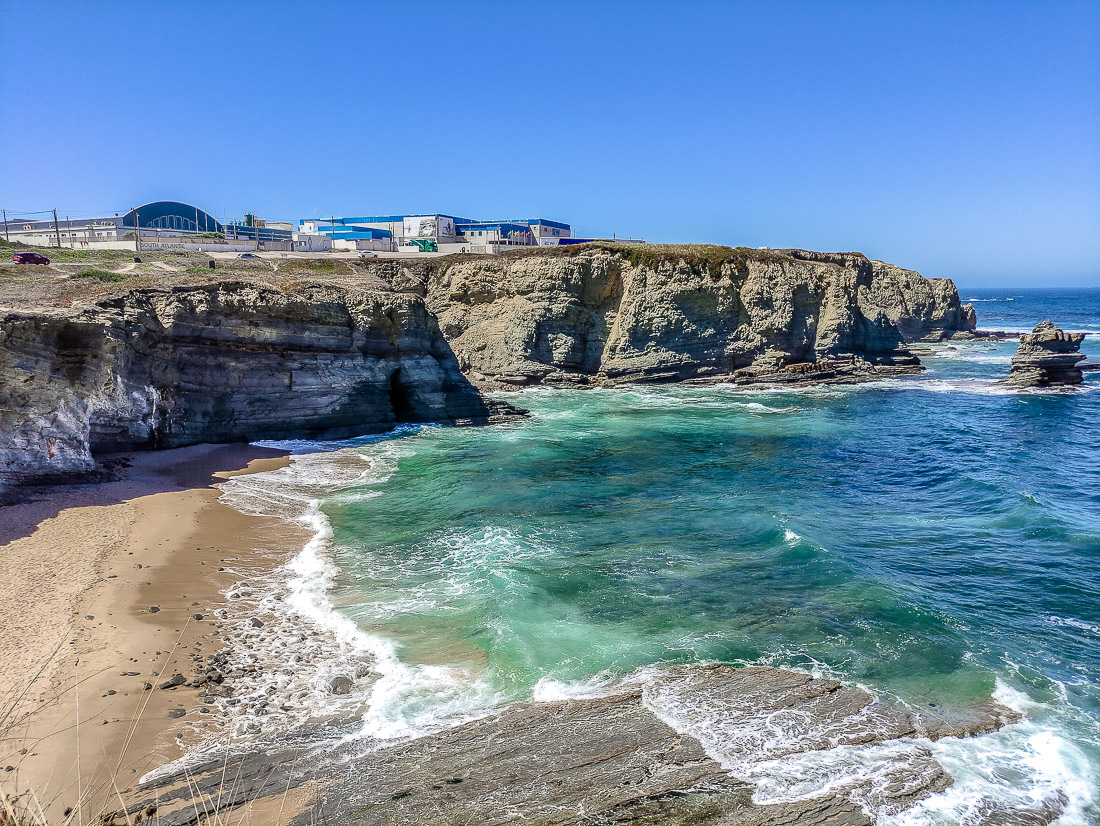
The Berlengas are a group of small granite islands rising from the Atlantic Ocean about 10–17 kilometres (6.2–10.6 miles) west of Peniche, in the Oeste region of Portugal.
The archipelago includes three main island groups:
- Berlenga Grande – the largest and only island visitors can explore
- Estelas Islets – small rocky formations
- Farilhões-Forcados Islets – sharp, dramatic rock outcrops in the sea
Berlenga Grande is around 1.5 km long and 0.8 km wide, rising to about 88 metres above sea level.
Ancient Records — From Phoenicians to Romans
Although there is no classical “discovery date” like those for overseas island groups, the Berlengas feature in ancient geographic sources:
Ancient Greek geographer Ptolemy referred to an island in this region as Λονδοβρίς (Londobris), marking an early record of the islands.
Roman geographers later called it “Saturn’s Island”, referring to its place in Atlantic maritime routes.
The islands may have been known to Phoenician sailors as a ritual place, possibly associated with the cult of Baal-Melqart — pointing to contact long before European seafaring dominance.
This early presence likely stems from the Berlengas’ strategic location on ancient sea routes — anywhere ships hugged the western Iberian coast when moving between the Mediterranean and northern Europe.
Medieval and Early Modern History
Throughout the Middle Ages and into the Age of Discovery, Berlengas served as a navigational landmark and temporary shelter for seafarers. The islands’ relative isolation and treacherous waters made them prone to shipwrecks — a fact that shaped their human story.
Monastery of Misericórdia (1513–1540s)
In 1513, under the support of Queen Eleanor of Viseu, monks from the Order of St. Jerome established a small settlement on Berlenga Grande. Their mission was to help sailors in distress and offer refuge to victims of frequent maritime disasters along this Atlantic shelf.
However, life on the island was harsh:
- Supplies were difficult to obtain,
- Disease was common, and
- The monks endured isolation and relentless storms.
They abandoned the monastery in the mid-16th century, leaving only ruins that can still be traced on the island today.


Castles and Conflicts — Fort São João Baptista
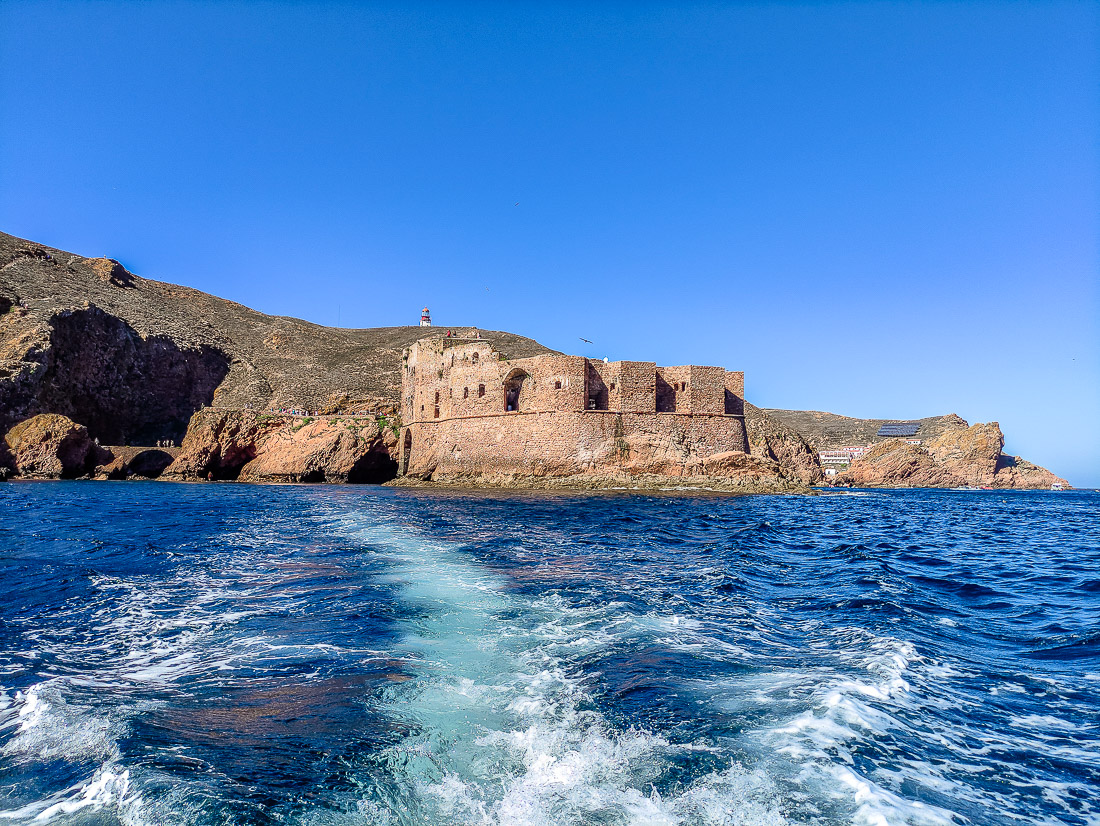
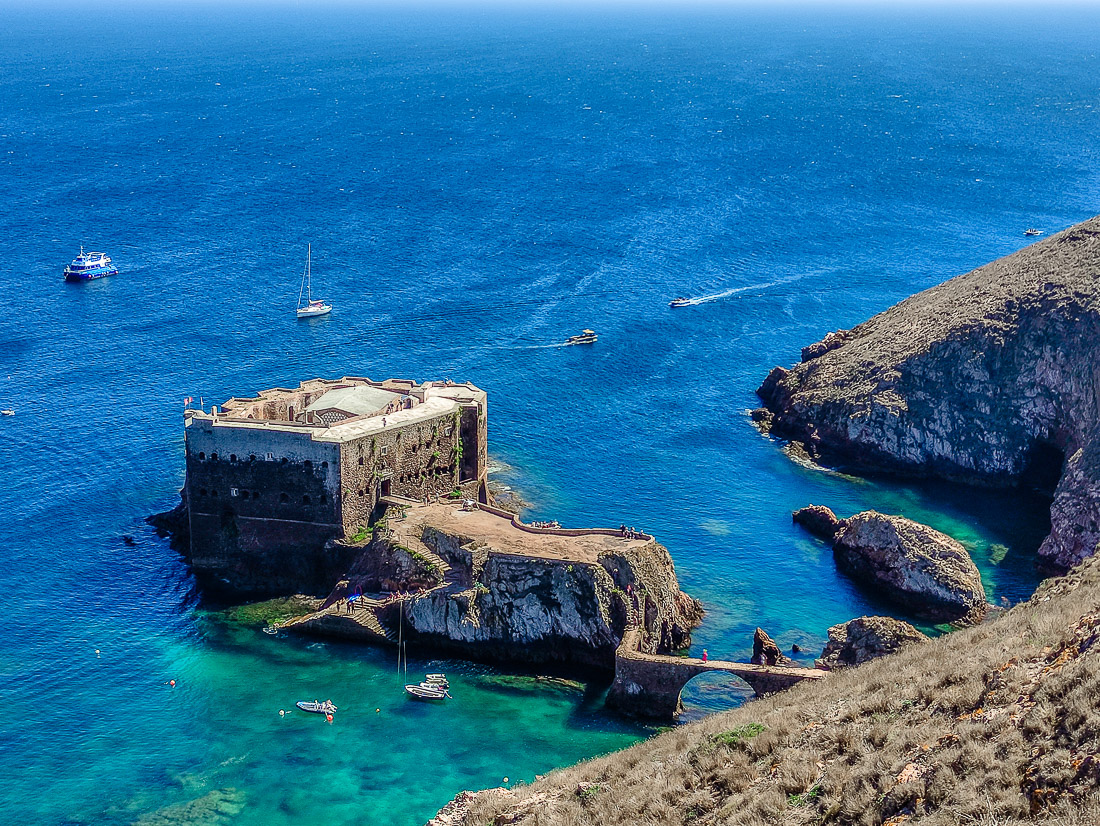
In the 17th century, during the Portuguese Restoration War (when Portugal regained independence from Spain), the strategic importance of the Berlengas increased. The ruins of the monastery were demolished, and stones repurposed to build a defensive fortress — the Fort of São João Baptista das Berlengas.
The fort was part of Portugal’s coastal defense system, designed to protect the mainland from naval threats and pirate incursions. It stood strong through assaults, including a notable battle in 1666, when a Spanish fleet attempted to capture it in a broader campaign that included plans to abduct royalty.
Today this historic fort remains one of the most compelling landmarks on the islands. It has been restored and adapted for visitors, combining heritage with panoramic Atlantic views.
Cabo Carvoeiro Lighthouse on Berlenga Grande
The Lighthouse of the Duke of Bragança (Farol do Duque de Bragança), commonly known as the Berlengas Lighthouse, was inaugurated in 1841 on Berlenga Grande. Built to improve maritime safety along Portugal’s dangerous central Atlantic coast, the lighthouse played a crucial role in reducing shipwrecks near the archipelago. Positioned at one of the island’s highest points, it became an essential navigational aid for vessels approaching Peniche and passing between Lisbon and northern Europe. Today, the lighthouse remains active and stands as a symbol of the Berlengas’ long connection to Atlantic navigation and seafaring history.

Modern Recognition — UNESCO Biosphere Reserve
In 2011, the Berlengas archipelago was designated a UNESCO Biosphere Reserve in recognition of its outstanding biodiversity and fragile ecosystems. This status helps protect seabird colonies, endemic plant species, and abundant marine life, while balancing conservation with sustainable tourism.
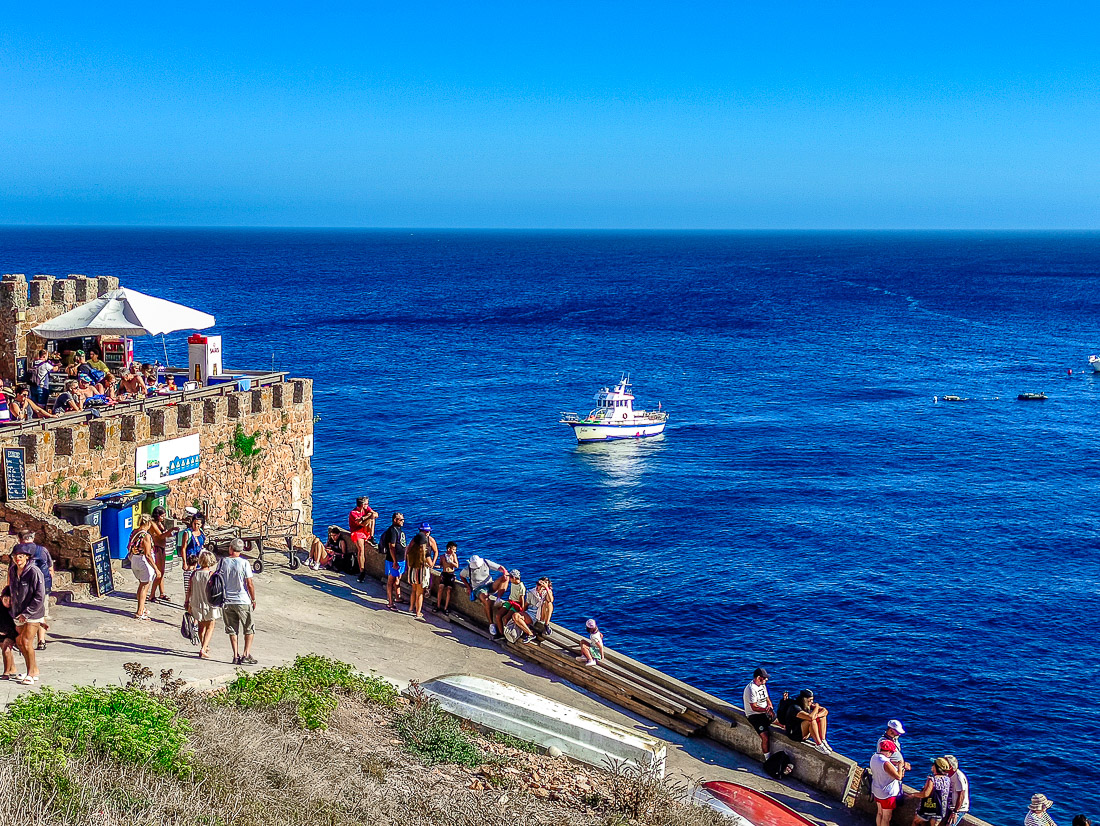
Legends and Sea Stories
While the Berlengas do not have a large corpus of mythical tales like some island groups, the very dangers of their surrounding waters have inspired mariners’ lore:
Early sailors often spoke of the islands as a sacred refuge or ominous rock, depending on sea conditions, which could shift from calm to violent without warning.
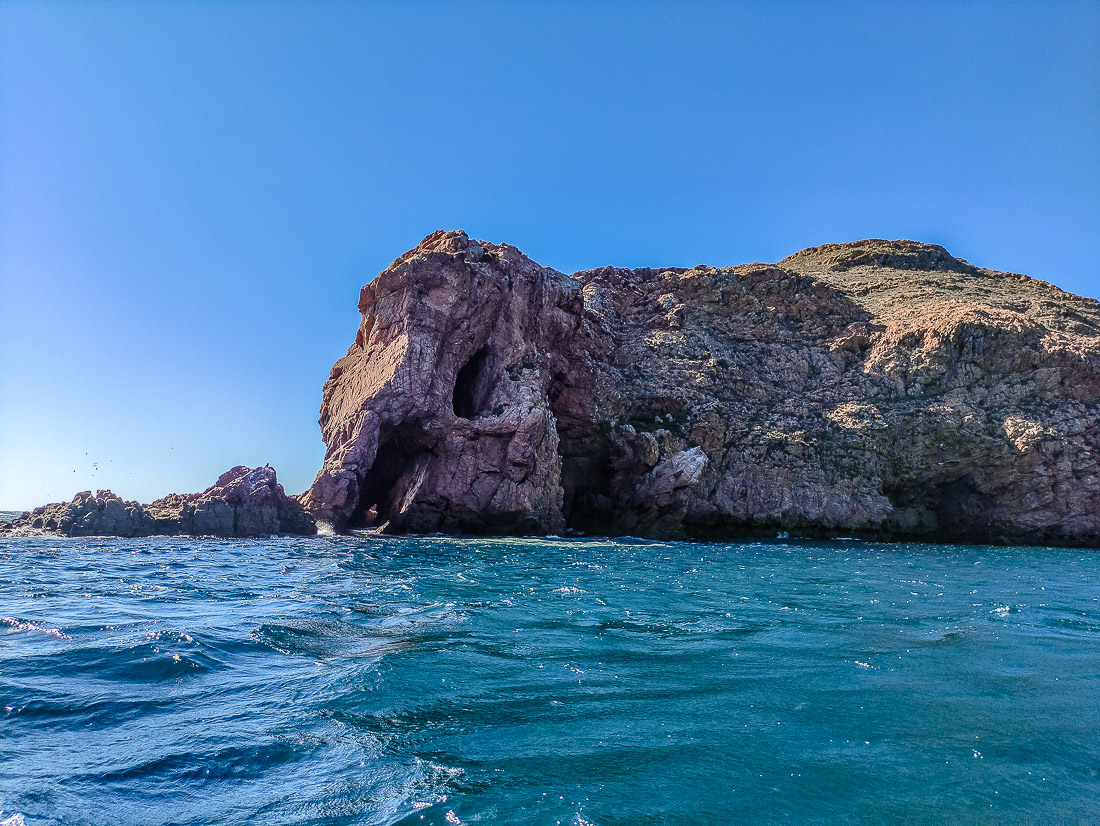
Shipwrecks are a persistent element of local folklore — wrecked vessels and hidden reefs beneath the waves contribute to a sense of mystery for visitors exploring the cliffs and underwater caves.
Why the History Matters
From ancient references in classical geography to the resilience of monastic pioneers, from fierce pirate engagements to modern conservation efforts, the history of the Berlengas blends natural wonder with human endeavor. Every rock, lighthouse beam, and ruined wall speaks to centuries of maritime interaction and cultural layers — making the islands a must-visit for history buffs and nature lovers alike.